
Impetus to Organ Building
Organs have left their marks on a family workshop. That family workshop has likewise left its marks on organ building – for more than 100 years.
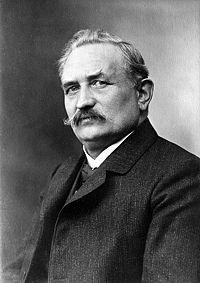
Johannes Klais (senior) studied organ building in Alsace, Switzerland and Southern Germany. When founding his own organ building workshop in Bonn in 1882 his way of building organs was closely bound up with traditional construction methods using slider windchests. He gave fresh impetus to organ building; as early as before the turn of the century he built high pressure stops with two mouths on pneumatic cone valve chests; and he was open to ideas brought forward by his son Hans. In 1906, together with him, he introduced electric action.
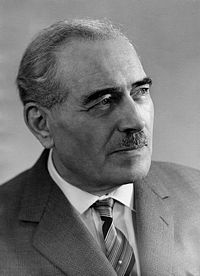
Hans Klais took over in 1925. Due to several new developments and inventions of his own he made further progress both with organ building and his workshop; during his leadership, facade design begun to come under the influence of the modern age, ergonomic console designs were also being developed. Nevertheless, he clung to his father's principles: giving further stimulus to organ building and taking up ideas from his son.
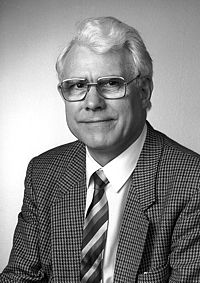
Hans Gerd Klais, the founder's grandson, has been heading the workshop from 1965 through 1995. He returned to the origins of organ building: to slider windchests. Soon he tried to find the synthesis of a polyphonic and a symphonic organ. According to the tradition he again takes up ideas from the younger generation.
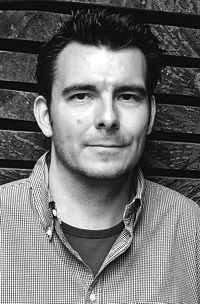
Philipp Klais, the great-grandson of the founder, having grown up in the midst of the workshops, studied in Alsace, in Germany, and overseas. For some years he has been working closely with his father, before he took over in 1995. Fresh ideas combine with hands-on experience.
Together with a young team, the fourth Klais generation shows commitment to building instruments of character and of high tonal and aesthetic standards. As the past and present show, the organ is a most adaptable, a most versatile instrument. This fact requires mental flexibility from its builder; the dynamics of development call for flexibility in the organ builder's mind.
The family lives and works under the roof of the workshop. Exchange of ideas with their workforce is an ongoing process followed by continuous learning. Target: increasing the level of knowledge.
All agree on target and sense of their work: Organ building is a creative profession and demands constant analysis of tradition in all its manifestations in keeping with the time. An organ builder works in and for his time but he must lay his work open to the judgement of history. All are conscious of the fact that, in church, the organ's central task is to accompany the services, to make them solemn and magnificent.
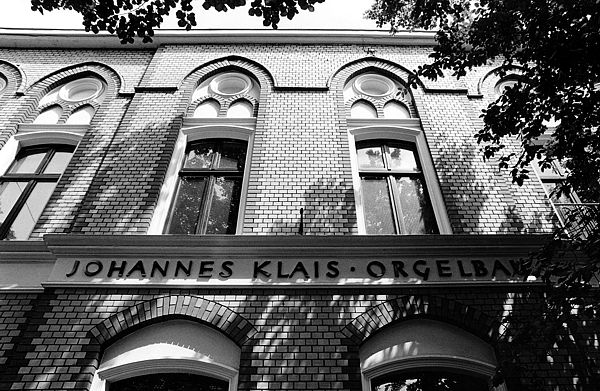 Workshop and residence since 1896